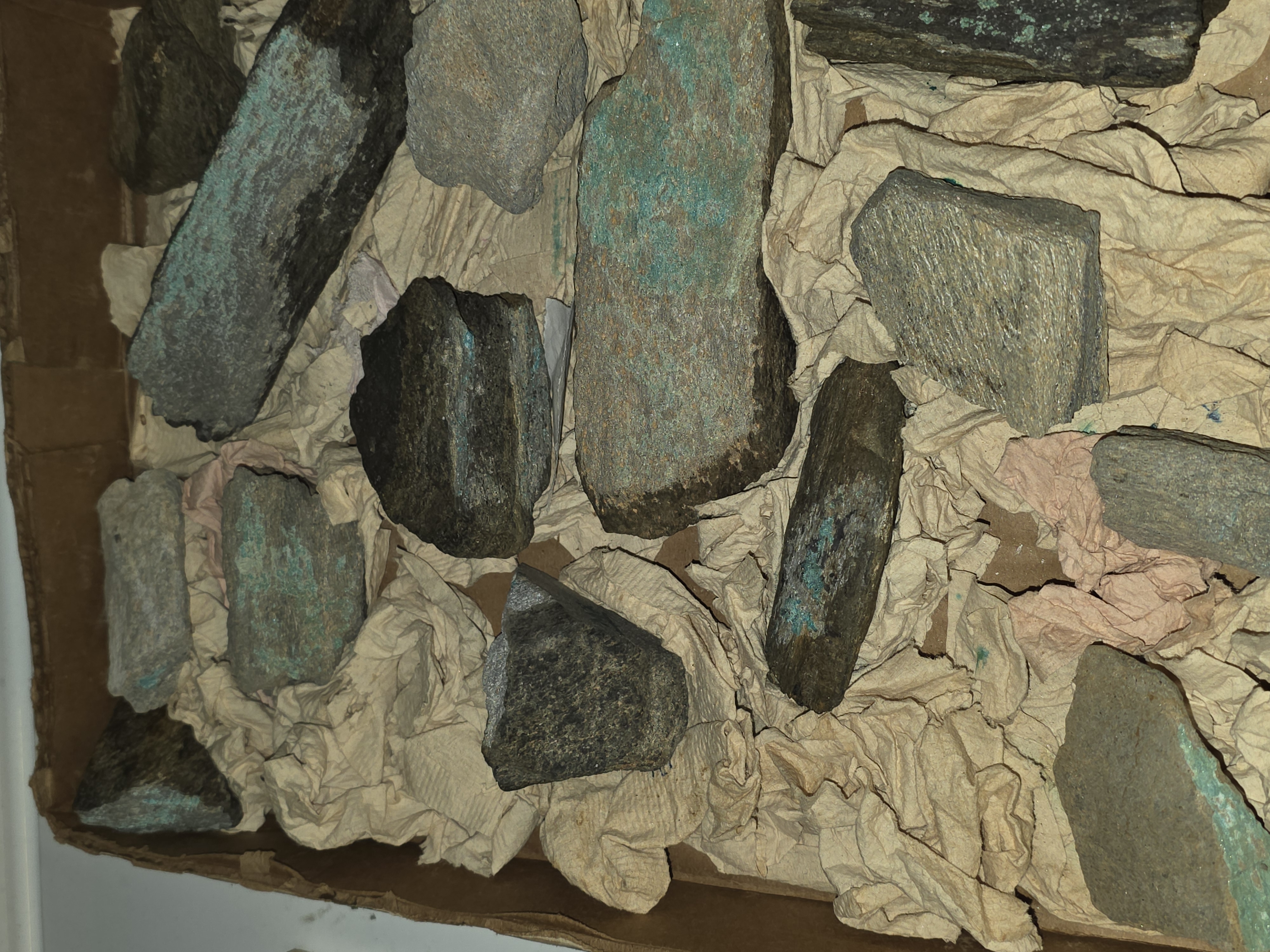
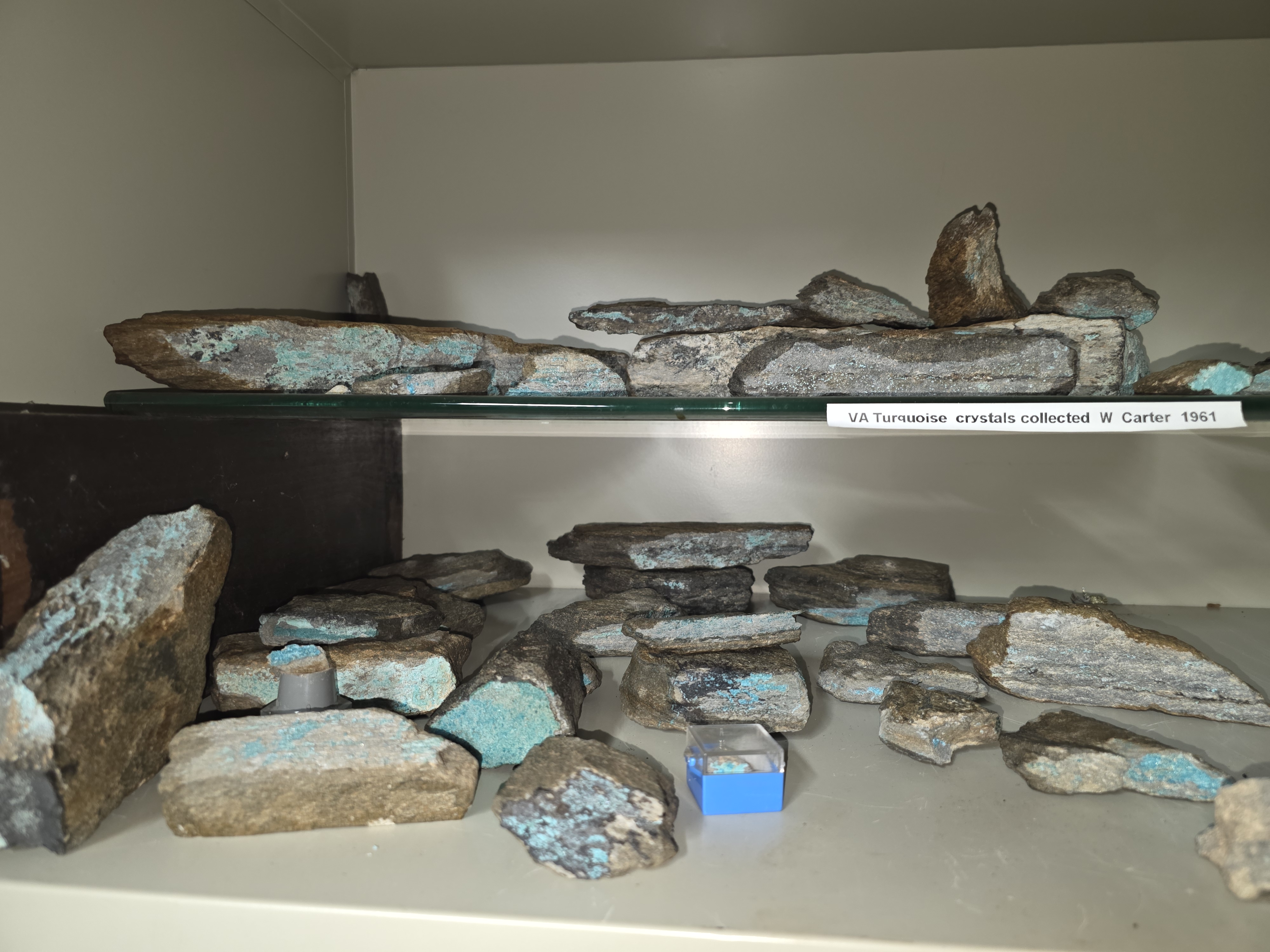
What Is Virginia Turquoise?
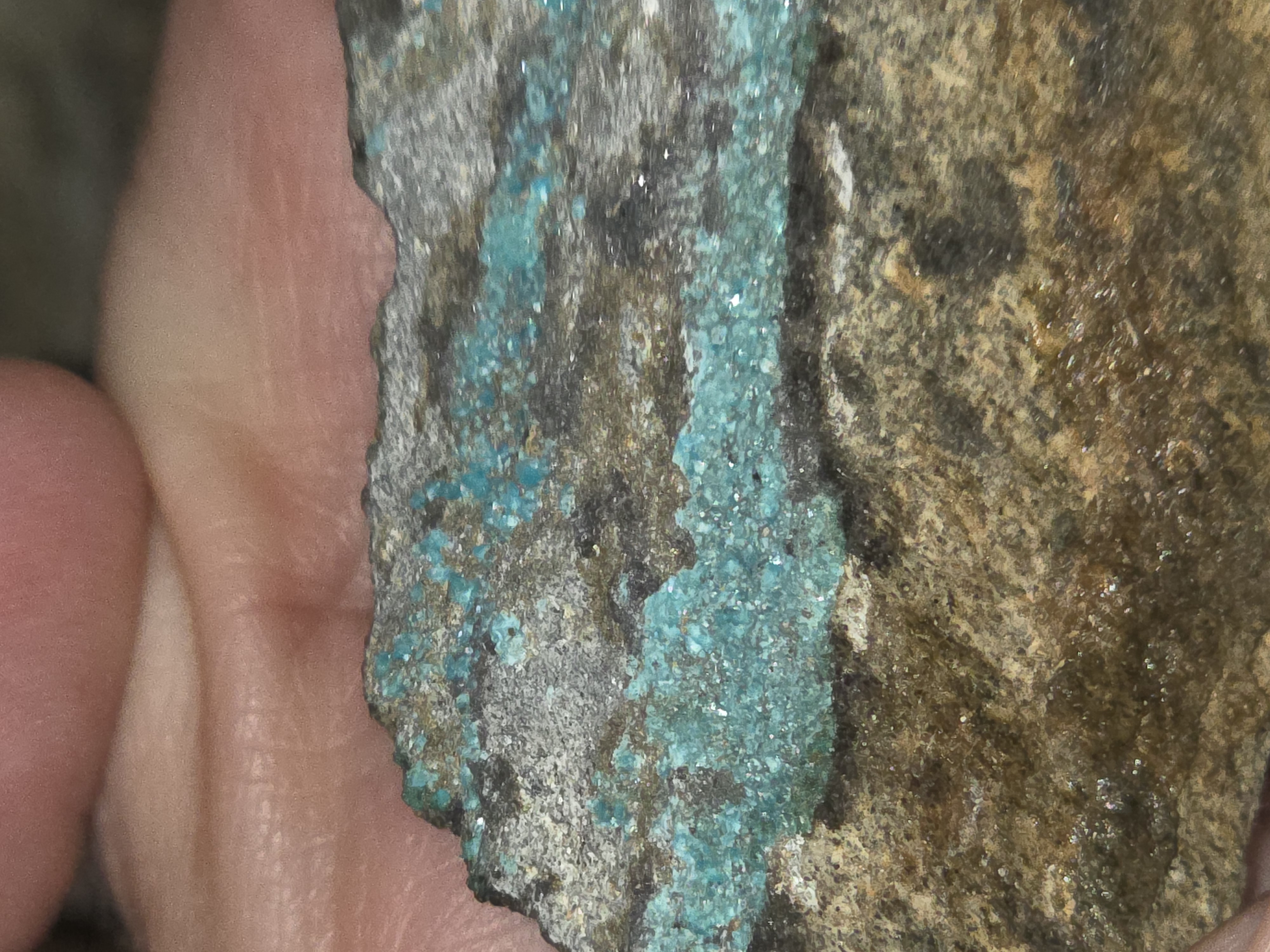
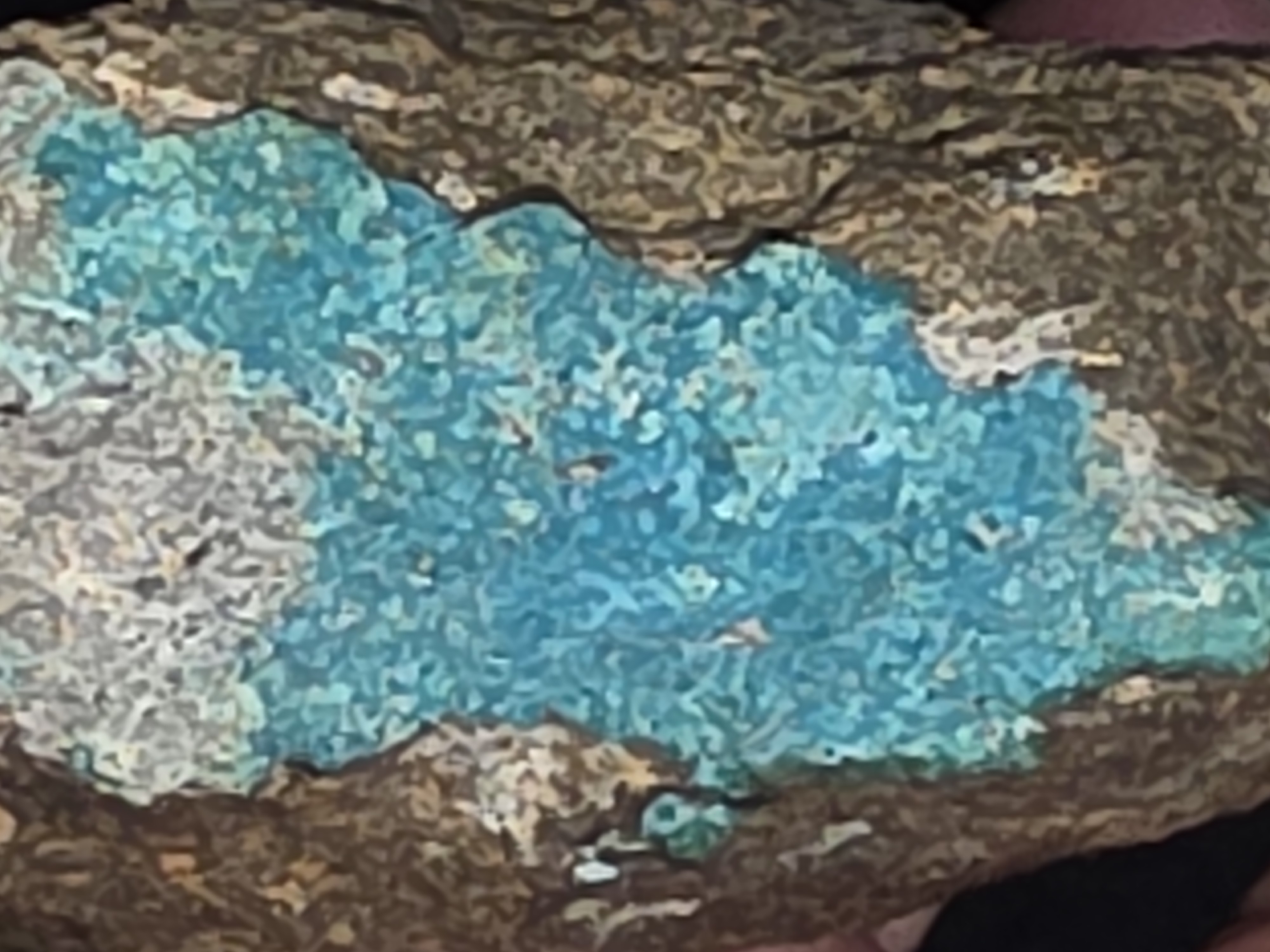
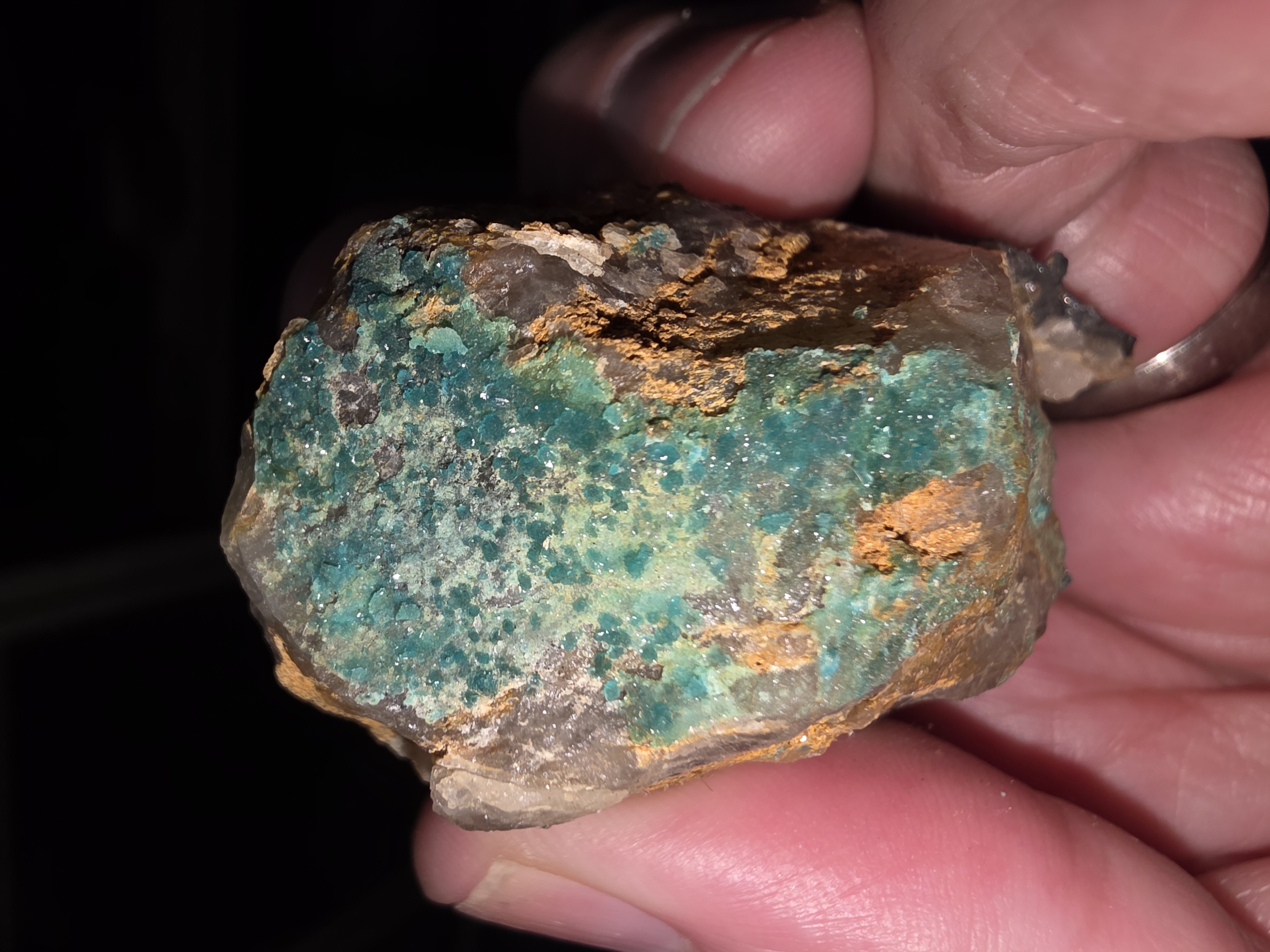
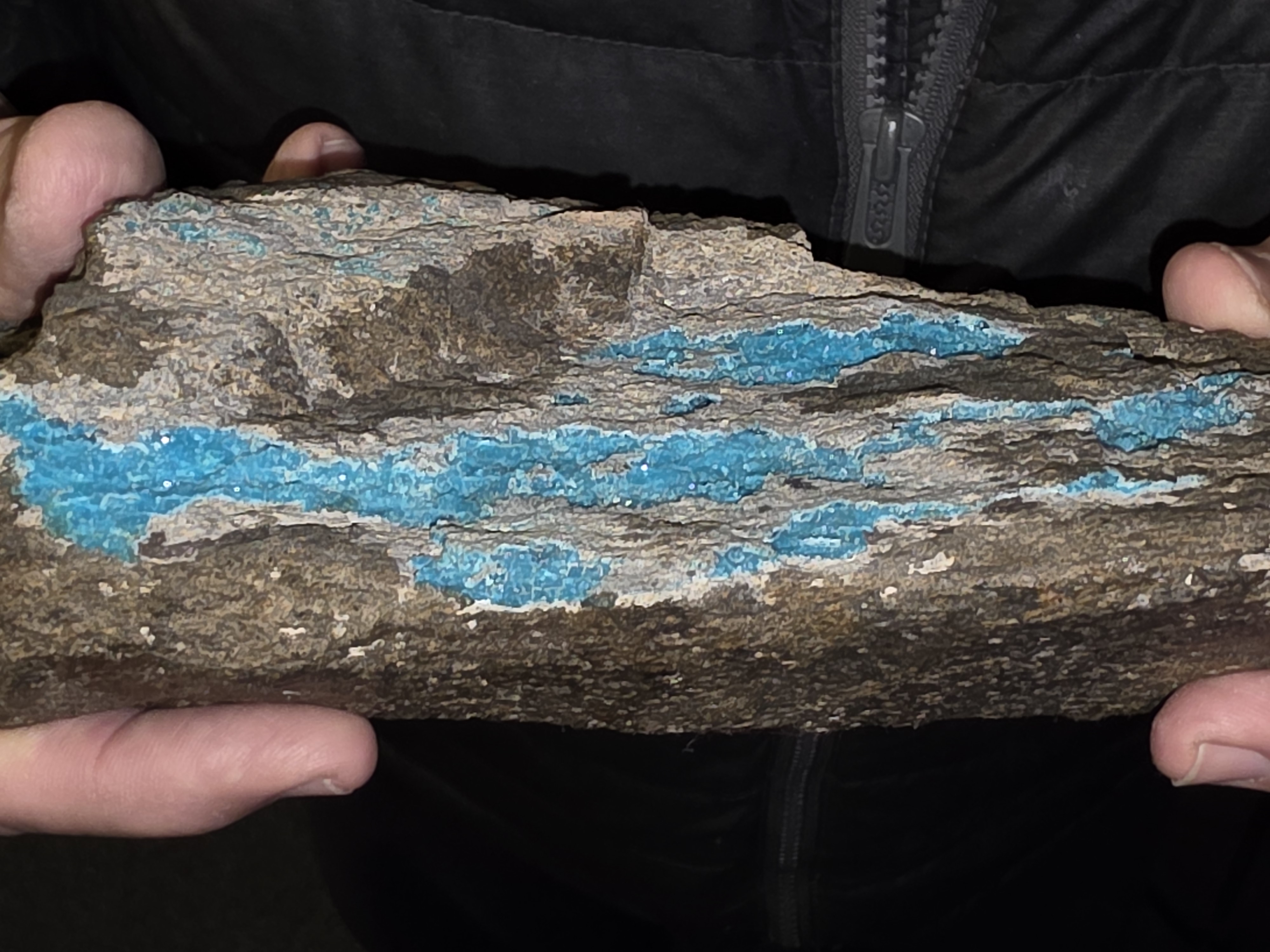
Virginia turquoise is a copper aluminum phosphate mineral with the chemical formula CuAl₆(PO₄)₄(OH)₈·4H₂O, distinguished from all other turquoise sources by one extraordinary property: it forms as individual visible crystals rather than the cryptocrystalline masses typical of every other known turquoise deposit on earth.
Standard turquoise is described as cryptocrystalline — it precipitates as an intergrowth of microscopic crystallites so fine they cannot be resolved even under standard optical microscopy. Virginia turquoise, specifically from Bishop Mine in Lynch Station, Campbell County, Virginia, grows as distinct, macroscopic crystals belonging to the triclinic crystal system. This was first formally documented in 1911 by USGS mineralogist Waldemar Schaller, whose analysis of specimens from Bishop Mine provided the first definitive proof that turquoise could crystallize in the triclinic system.
The implication was significant: if turquoise could crystallize in the triclinic system, it meant the crystal structure was more complex and ordered than previously understood. The Smithsonian Institution holds 39 documented Bishop Mine specimens, reflecting the material’s scientific and rarity standing.
Virginia Crystalline Turquoise
CuAl₆(PO₄)₄(OH)₈·4H₂OOnly documented source of crystalline turquoise in the world. Mined primarily from Bishop Mine, Campbell County, Virginia, from approximately 1911 to 1945.
Where to Find Virginia Turquoise
The primary and most significant Virginia turquoise locality is Bishop Mine, located near Lynch Station in Campbell County, in the foothills of the Blue Ridge Mountains. The mine operated from approximately 1911 through 1945, with sporadic earlier activity. The turquoise occurred in association with variscite and wavellite in a series of hydrothermal veins cutting through Precambrian granitic and metamorphic bedrock.
A secondary Virginia locality, Trimble Mine in Bedford County, produced similar turquoise variscite associations and is mentioned in the collector literature as a source of comparable material, though less studied than Bishop Mine.
The Blue Ridge Mountains of Virginia have a broader mineralogical complexity that produces occasional turquoise occurrences outside these two primary localities, though these are generally not considered significant collector targets compared to the documented Bishop Mine specimens.
Bishop Mine: The 1911 Discovery
Before Schaller’s 1911 analysis, turquoise was believed to be exclusively amorphous or, at most, monoclinic. The discovery that Virginia turquoise formed distinct triclinic crystals upended that assumption. Today, all 39 documented Bishop Mine specimens held by the Smithsonian serve as reference material for the triclinic turquoise crystal system.
How to Identify Quality Virginia Turquoise Specimens
Evaluating Virginia turquoise requires attention to three distinct factors that separate high-quality specimens from misattributed material:
- Crystal formation: Authentic Bishop Mine turquoise shows visible crystallinity under 10x magnification. Look for distinct crystal faces, euhedral terminations, and trigonal or pseudo-hexagonal cross-sections. Masses without visible crystal structure require additional provenance verification.
- Matrix association: Quality specimens typically show turquoise crystals on or embedded in variscite or quartz matrix. Loose crystals are less desirable for collector display but may still be valuable with proper documentation.
- Provenance documentation: This is the single most important factor for market value. Specimens with documented chain of custody from collection through present day command significantly higher prices. Be cautious of specimens sold as ‘Virginia turquoise’ without specific locality detail.
Color quality in Virginia turquoise ranges from pale sky blue through medium blue to deep electric blue. The deeper the blue, the more copper is present in the crystal structure, and the more desirable the specimen. Matrix color varies from white to pale green depending on variscite or quartz association.
The Current Market
Both Bishop Mine and Trimble Mine are closed. No new Virginia turquoise specimens have entered the market since the mid-20th century. The available supply consists entirely of existing collections, estate sales, and institutional deaccessions.
Authenticated Bishop Mine specimens with documented provenance typically range from $600 to $1,400 for well-documented cabinet-sized specimens, with prices scaling upward based on crystal size, matrix quality, and provenance completeness. Specimens showing exceptional crystallinity with visible triclinic faces command premium prices at mineral auction houses.
The collector market for Virginia turquoise is driven by three factors: rarity (there are perhaps a few hundred authenticated specimens in private hands), mineralogical significance (the only crystalline turquoise source known), and aesthetic quality (the deep electric blue coloration and crystal formation on matrix are genuinely distinctive).
We Buy Collections
EcoFabLab by L3 LLC actively acquires Virginia turquoise specimens with documented provenance, as well as related Virginia mineral specimens including variscite, wavellite, and associated Blue Ridge minerals. If you have a collection to sell or a specimen to inquire about, contact us directly. We respond to all inquiries within 24 hours.
Collecting Virginia Turquoise: Practical Notes
Several practical considerations apply to anyone actively building a Virginia turquoise collection:
- Beware of misattribution: Turquoise from many western US states (Nevada, Arizona, New Mexico) is sometimes sold without clear locality attribution. Nevada alone has over 100 named turquoise mines, and material from these localities may be presented simply as ‘American turquoise.’ Verify specific locality before purchasing.
- Stabilization vs. natural: Much commercial turquoise on the market has been stabilized (impregnated with resin to improve durability and color). While this is standard practice for the commercial turquoise market, collector-grade Virginia turquoise specimens are typically offered in natural, unstabilized condition. Ask about stabilization treatment before purchase.
- Proper storage: Turquoise is sensitive to heat, light, and cosmetic oils. Store specimens in a dark, climate-stable environment. Avoid handling with greasy fingers, and keep specimens away from direct sunlight for extended periods.